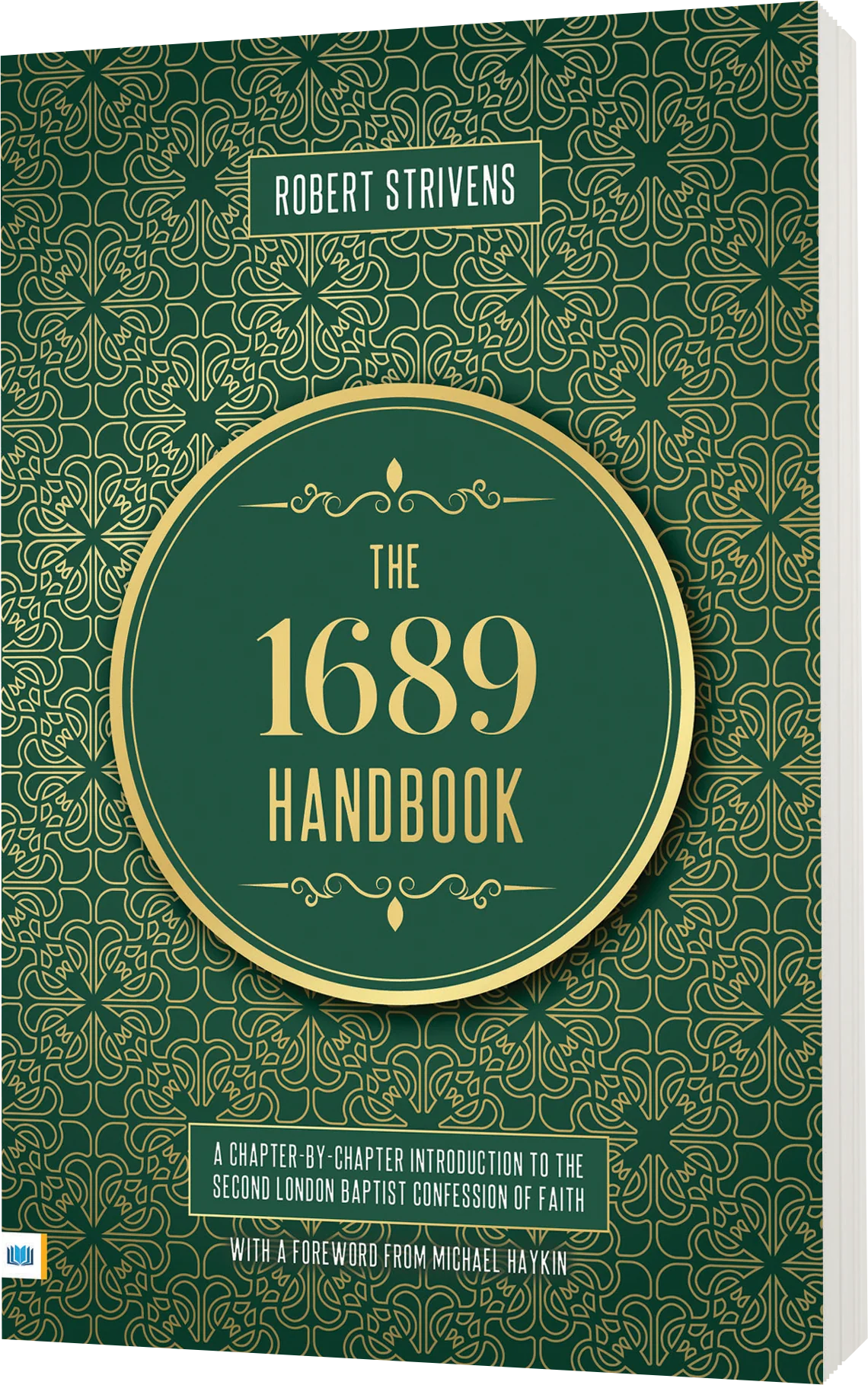
I’ll happily confess that I’m a Baptist by background and conviction. So I’m taking time to read through the Second London Baptist Confession of Faith (2LCF) again alongside this great new book from Robert Strivens – The 1689 Handbook published by Grace Publications.
I’ll briefly summarise the chapters here going forwards and make some connections to our church work in Brighton.
Introduction – Why the 1689 Confession?
- Its the main confession of faith for reformed Baptists and the book seeks to introduce us to the riches of the Confession and show how its teaching benefits believers and churches today
- The 2LCF mirrors the Westminster Confession (Presbyterian), in places prefers the text of the Savoy Confession (Congregational), but in areas of baptism and church government it ploughs its own furrow.
- The aim was unity – to demonstrate ‘hearty agreement with them, in that wholesome Protestant doctrine’ – but also clarity on matters where they disagreed
- Interest in the 2LCF has gone up and down over the years. Reprints tend to coincide with the revival of interest in the Doctrines of Grace (eg. in the times of Fuller, Spurgeon and Lloyd Jones)
Objections to Confessions
- Aren’t these confessions old fashioned in language, dealing only with 17th century issues, too divisive, or not necessary if we have the Bible?
Not so fast!
- Language issues can be overcome with patient study and there are modernised versions available
- Yes, the 2LCF does have a 17th century context (and what a crazy century that was!) but addresses timeless questions of biblical doctrine
- The aim of the 2LCF was to unite not divide – reflecting a protestant reformed and baptistic understanding of biblical teaching
- The confession was always meant to be subordinate to the authority of the Bible
The Structure of the 2LCF
- 32 chapters encompassing the teaching of the Bible on Scripture itself and the doctrine God, through his work of redemption and its outworking in human life to the last things
- It covers the grand sweep of biblical revelation
How to use the 1689 Handbook
- Read it alongside the 2LCF chapter by chapter.
- Look up the Bible refs.
- Use the Study Questions at the end of each chapter and dig deeper through recommended further study.
Reflection
When we began Grace Church Brighton we understood the importance of a “We Believe” Statement of Faith so we adopted both the FIEC Doctrinal Basis and the Grace Baptist Association Statement of Faith. The latter clarified our distinctives as a Reformed and Baptistic church. But when we wrote our Church Handbook we also wanted to explain our connection to the historic Christian faith and to Reformed Baptist Confessionalism.
This is what we wrote:
We confess the historic apostolic and catholic Christian faith according to the Nicene Creed, Chalcedonian Definition, Athanasian Creed and Apostles’ Creed and see ourselves within the stream of Reformed Baptist Confessionalism. In general, though not in every detail, we affirm the Second London Baptist Confession of Faith (1689).
The 2LCF was meant to unite baptist churches with other streams of reformed protestantism and charitably explain where we differed. It’s a helpful tool which I have often turned to for help, but always under the authority of scripture.
For a church plant it’s helpful to think that we’re new but in this sense we’re also old.
You can read the 1689 Confession here
You can buy The 1689 Handbook here
Disclaimer: I volunteer on the Exec of Grace Publications but I bought this book with my very own money!